ABB Plumbing & Gas LTD

How to Bleed Your Radiators: A Step by Step Guide

If you notice that your home feels chilly even when the central heating is turned up high, trapped air inside your system might be the problem. A classic sign of this issue is a radiator that feels warm at the bottom but completely cold at the top.

Bleeding your radiators is a simple maintenance task that can drastically improve heating efficiency and lower your energy bills.

Why Does Air Get Trapped in Radiators?

Air bubbles naturally find their way into central heating systems over time, displacing hot water and preventing the radiator from heating up evenly.

Why it matters: When trapped air occupies the upper portion of a radiator, your boiler has to work much harder and burn more gas to heat your living space.

The solution: Releasing that trapped air through the bleed valve restores full water circulation and distributes heat evenly across the entire surface.

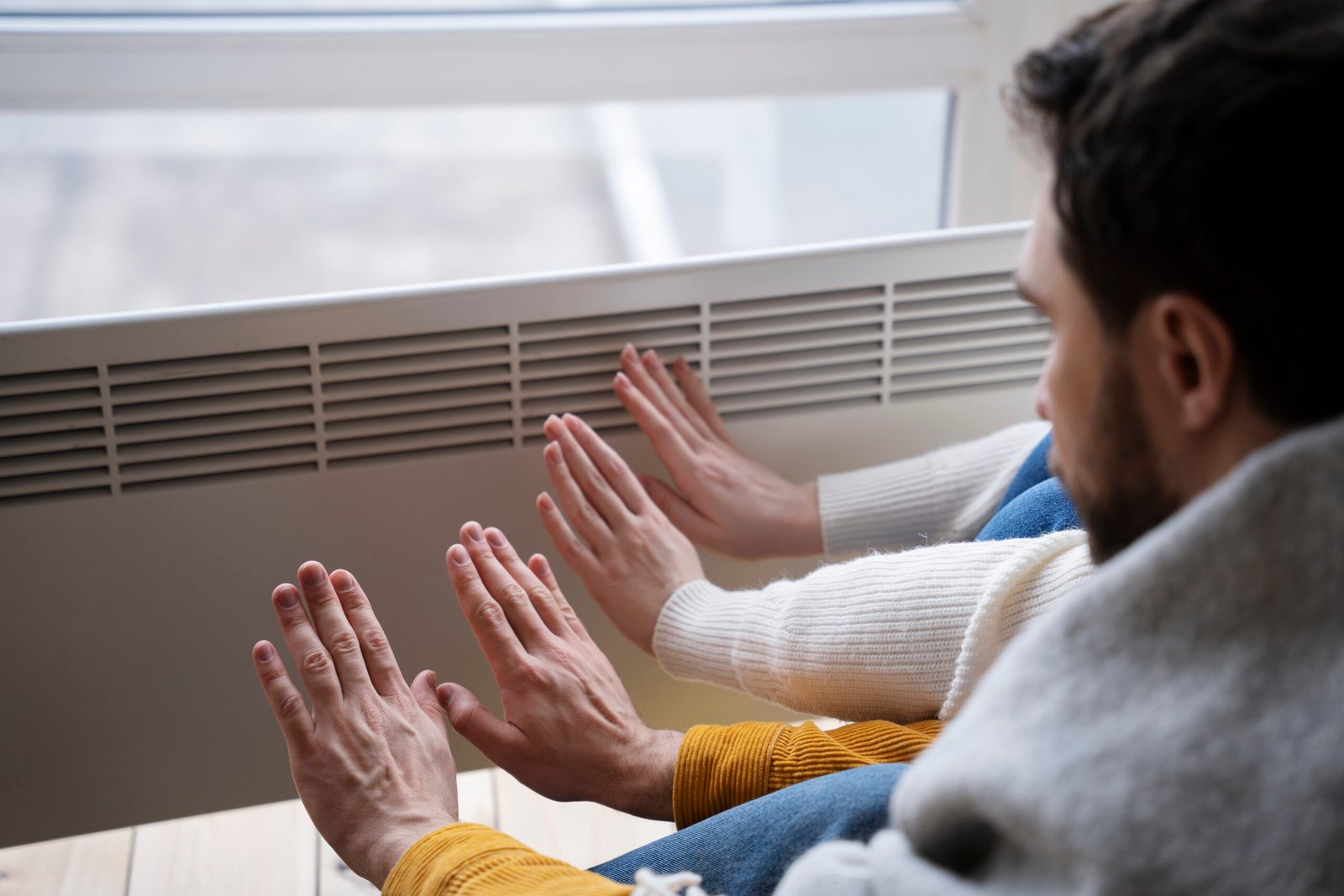
Step by Step Guide to Bleeding Radiators

Before you begin, make sure your central heating is turned off and the radiators have cooled down completely to avoid scalding risks.

Prepare your tools: Grab a radiator bleed key and a small cloth or container to catch any minor drips.

Open the valve: Insert the key into the square valve located at the top corner of the radiator. Turn it anti-clockwise very slowly (usually half a turn) until you hear a hiss of escaping air.

Need Professional Heating Help in Edgware? 

If bleeding your radiators doesn’t solve cold spots or if your pressure keeps dropping, your system
may require professional balancing or a powerflush.